
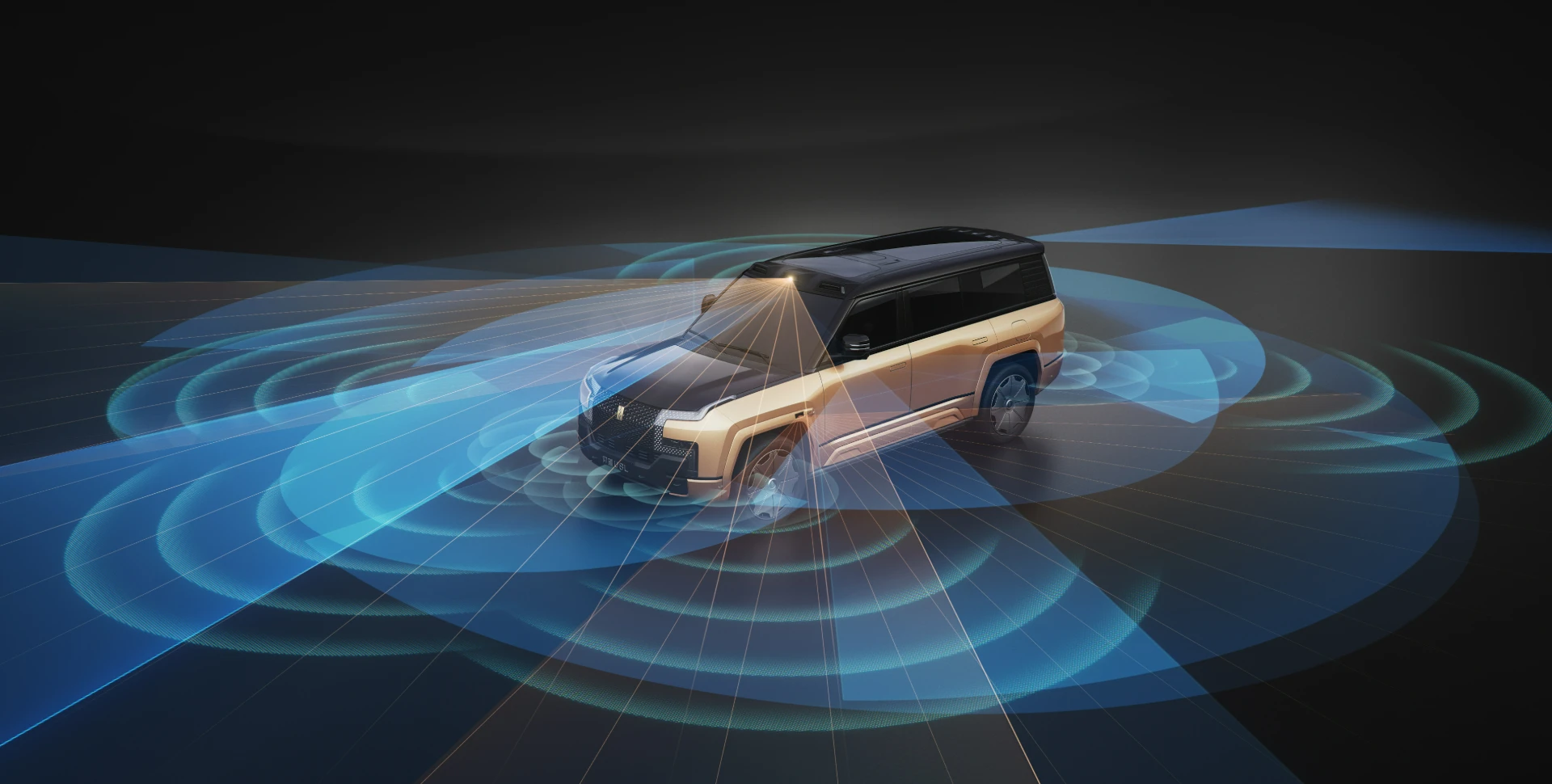
China has become the dominant force in global electric vehicle exports. In 2026, the industry is no longer defined only by low-cost manufacturing advantages but by large-scale industrial capacity, vertical integration across the supply chain, and rapid global market expansion.
Chinese EV exports are now reshaping automotive trade flows across Europe, Southeast Asia, the Middle East, and Latin America. This article provides a structured overview of China’s EV export ecosystem, including market scale, key manufacturers, regional distribution, and long-term growth drivers.
1. China EV Export Market Size (2026 Overview)
China remains the world’s largest electric vehicle manufacturing base and the most influential exporter of new energy vehicles.
Key characteristics of the market:
- China exported approximately 2.5–3 million electric vehicles in the 2025–2026 period
- EVs account for more than 35% of total Chinese vehicle exports
- China has remained the world’s largest automobile exporter since 2024
A major structural shift is underway: EV exports are now growing faster than domestic demand, indicating that global markets are becoming the primary growth driver for Chinese OEMs.
2. Leading Chinese EV Export Manufacturers
China’s EV export ecosystem is concentrated among several major OEMs that dominate global expansion.
BYD (Build Your Dreams)
BYD has become the fastest-growing global EV exporter, supported by its vertically integrated supply chain covering batteries, semiconductors, and vehicle manufacturing.
Key strengths:
- Full battery production control
- Rapid expansion in Europe and Latin America
- Strong product portfolio across mass and premium segments
SAIC Motor (MG Brand)
SAIC, through its MG brand, was one of the earliest Chinese automakers to achieve large-scale global expansion.
Key strengths:
- Established European distribution network
- High-volume export strategy
- Balanced internal combustion and EV portfolio transition
Geely Group
Geely operates a multi-brand global strategy including Zeekr, Lynk & Co, and Volvo.
Key strengths:
- Premium EV positioning
- Software-defined vehicle development
- Strong global partnership ecosystem
Chery Automobile
Chery is one of the strongest exporters in emerging markets, focusing on affordability and rapid product iteration.
Key strengths:
- Strong presence in the Middle East
- Rapid expansion in South America
- Competitive pricing strategy
3. Regional Distribution of China EV Exports
China’s EV exports are increasingly diversified across multiple global regions.
Europe
Europe remains a key strategic market driven by strict emissions regulations and accelerated EV adoption. However, rising tariffs and localization requirements are reshaping entry strategies.
Southeast Asia
Southeast Asia is the fastest-growing EV import region globally, supported by infrastructure expansion and high demand for affordable EV models.
Middle East
The Middle East is driven by government-led electrification initiatives and strong demand for long-range EVs suitable for regional conditions.
Latin America
Latin America is emerging as a high-growth market where Chinese brands are rapidly gaining market share due to price competitiveness.
4. Key Growth Drivers of China EV Exports
4.1 Domestic Overcapacity
Intense competition in China’s domestic EV market has led manufacturers to expand aggressively into international markets.
4.2 Vertical Integration Advantage
Chinese EV manufacturers benefit from integrated supply chains that include batteries, semiconductors, and vehicle assembly, reducing production costs significantly.
4.3 Technology Upgrade
Modern Chinese EVs now include advanced features such as:
- Autonomous driving assistance systems (ADAS)
- Smart cockpit operating systems
- High-speed charging technologies
These improvements have strengthened global competitiveness.
5. Future Outlook (2026–2030)
China’s EV export model is expected to evolve toward:
- Increased local manufacturing (CKD/SKD assembly plants)
- Expansion of regional supply chains
- Greater exposure to trade regulations and tariffs
Rather than reducing export volumes, trade barriers are likely to accelerate overseas production localization.
Conclusion
China’s EV export industry has evolved from a cost-driven manufacturing system into a globally integrated industrial ecosystem. The next phase of competition will be defined by regional production networks, technological innovation, and supply chain localization rather than price advantage alone.
Frequently Asked Questions (FAQ)
Why are China EV exports growing so fast?
Because of strong manufacturing capacity, cost efficiency, and increasing global demand for electric vehicles.
Which Chinese EV brands export the most?
BYD, SAIC (MG), Geely, and Chery are the leading exporters.
Which regions import the most Chinese EVs?
Europe, Southeast Asia, the Middle East, and Latin America are the main markets.
Will tariffs slow down China EV exports?
Tariffs may shift export strategies toward local production rather than reducing overall demand.