
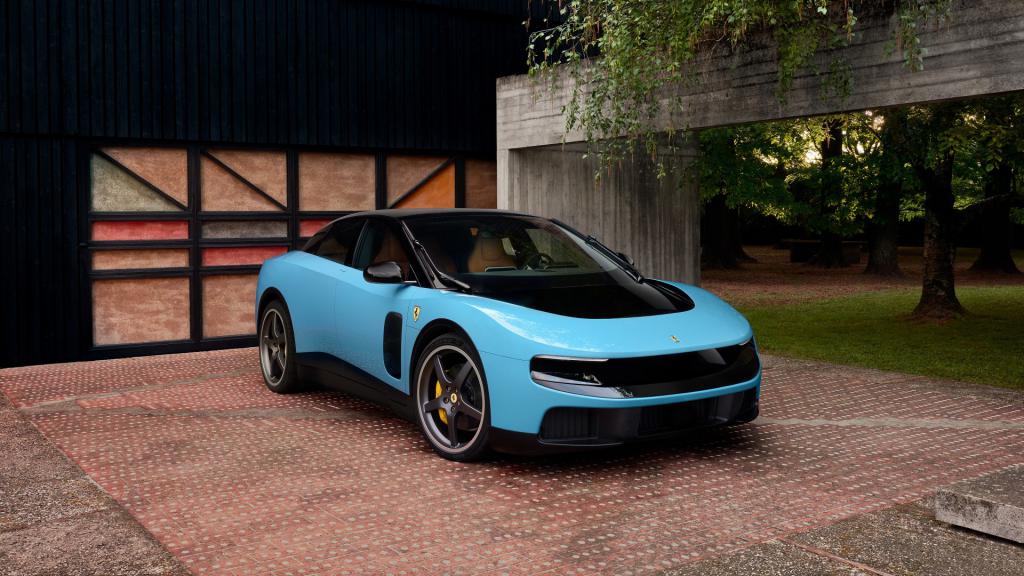
For decades, Ferrari represented the pinnacle of performance engineering. Its Formula One heritage, naturally aspirated engines, and unmistakable driving character helped define what a supercar should be.
However, the automotive industry is entering a new phase. As electric drivetrains become the foundation of next-generation performance vehicles, manufacturers are being forced to answer a difficult question:
Can brand heritage compete with software-defined performance?
That question becomes particularly interesting when comparing Ferrari’s upcoming electric supercar project with China’s rapidly evolving BYD Yangwang U9.
Why This Comparison Matters
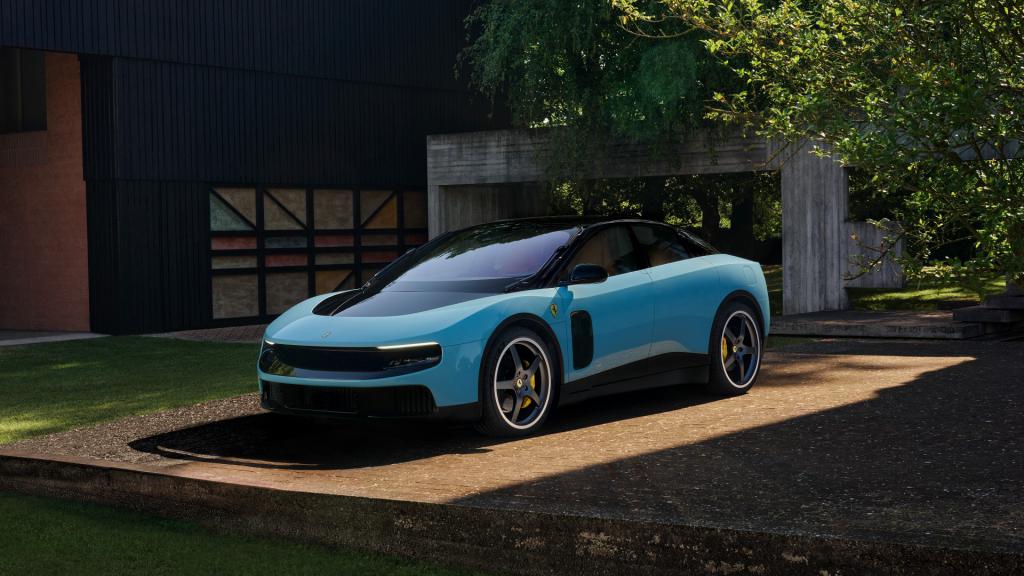
Ferrari’s first fully electric vehicle is expected to be one of the most closely watched launches in automotive history.
At the same time, the Yangwang U9 has already demonstrated that Chinese manufacturers are capable of producing hypercars that compete on more than just acceleration figures.
Unlike many early EV performance cars that focused primarily on straight-line speed, the U9 was developed around vehicle control, chassis intelligence, and real-time torque distribution.
This creates a fascinating contrast:
- Ferrari is attempting to bring traditional supercar emotion into the EV era.
- Yangwang is building a new performance philosophy based on intelligent vehicle architecture.
Performance Specifications
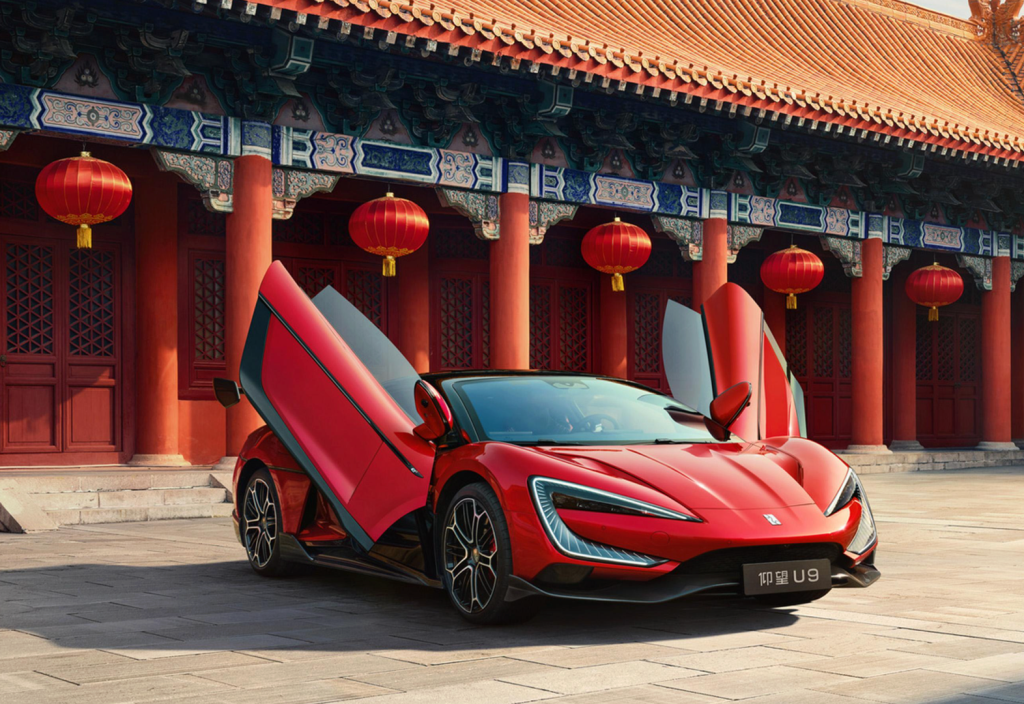
While Ferrari has not yet released complete specifications for its upcoming EV, the Yangwang U9 has already entered production.
Key figures currently available for the U9 include:
- Four independent electric motors
- Over 1,200 horsepower
- 0–100 km/h acceleration in approximately 2 seconds
- e4 independent torque vectoring platform
- Disus-X intelligent body control system
The significance of these numbers goes beyond acceleration.
The four-motor architecture allows each wheel to be controlled independently, creating levels of stability and responsiveness that are difficult to achieve using traditional mechanical systems.
The Technology Gap Is Shrinking
For many years, European brands maintained a significant advantage in performance engineering.
That gap is narrowing.
Chinese manufacturers such as BYD have invested heavily in battery technology, power electronics, thermal management, and software integration.
Because BYD controls large portions of its supply chain internally, it can rapidly develop and deploy technologies across multiple vehicle platforms.
The Yangwang U9 demonstrates how vertical integration can accelerate innovation in the performance EV segment.
Heritage Versus Intelligence
Ferrari’s greatest strength has never been raw horsepower.
It has always been the emotional connection between driver and machine.
The challenge for Ferrari’s EV program is preserving that experience without the sound, vibration, and mechanical characteristics that traditionally defined the brand.
Yangwang approaches the problem differently.
Rather than recreating the sensations of combustion engines, the U9 embraces the advantages of electric architecture.
Its intelligent chassis systems, active body control, and software-driven dynamics are designed around capabilities that conventional supercars simply never possessed.
This may represent a broader shift in how future enthusiasts evaluate performance vehicles.
What Does This Mean for the Global Hypercar Market?
The emergence of vehicles like the Yangwang U9 suggests that Chinese automakers are no longer competing primarily on price.
They are increasingly competing on engineering capability.
For consumers, this creates more choices at the highest end of the market.
For established brands, it introduces a new category of competition that did not exist a decade ago.
The next generation of performance vehicles may be defined less by engine displacement and more by software, computing power, and intelligent vehicle control systems.
Final Thoughts
Ferrari remains one of the most respected names in automotive history.
Its transition into the electric era will likely shape perceptions of performance EVs for years to come.
At the same time, the Yangwang U9 demonstrates how quickly new entrants can challenge traditional assumptions about what a hypercar should be.
The comparison is not simply Italy versus China.
It is heritage versus reinvention.
And the outcome could influence the future direction of the global performance car industry.
Community Discussion
If you were choosing a next-generation electric hypercar today, would you prioritize Ferrari’s racing heritage or the software-driven performance approach demonstrated by the Yangwang U9?