
Introduction: Why China Leads the Global EV Market
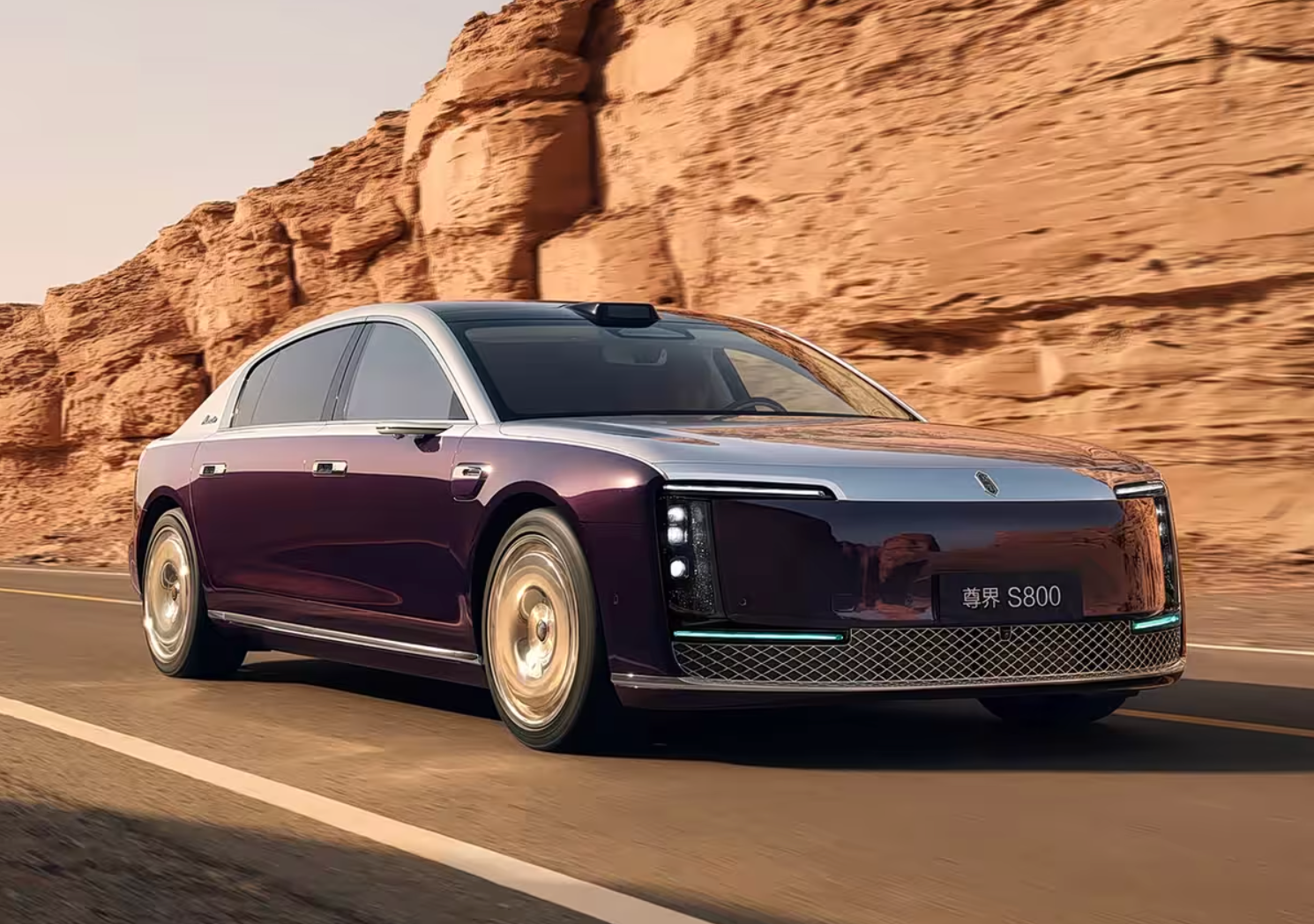
China has rapidly become the world’s largest market for electric vehicles (EVs), with strong policy support, advanced supply chains, and growing consumer demand. Today, Chinese new energy vehicles (NEVs) are not only dominating domestic sales but are also expanding aggressively into global markets.
According to industry data, China has maintained its position as the world’s largest EV producer and seller for multiple consecutive years, supported by a massive charging infrastructure network and continuous technological innovation.
Market Size and Penetration
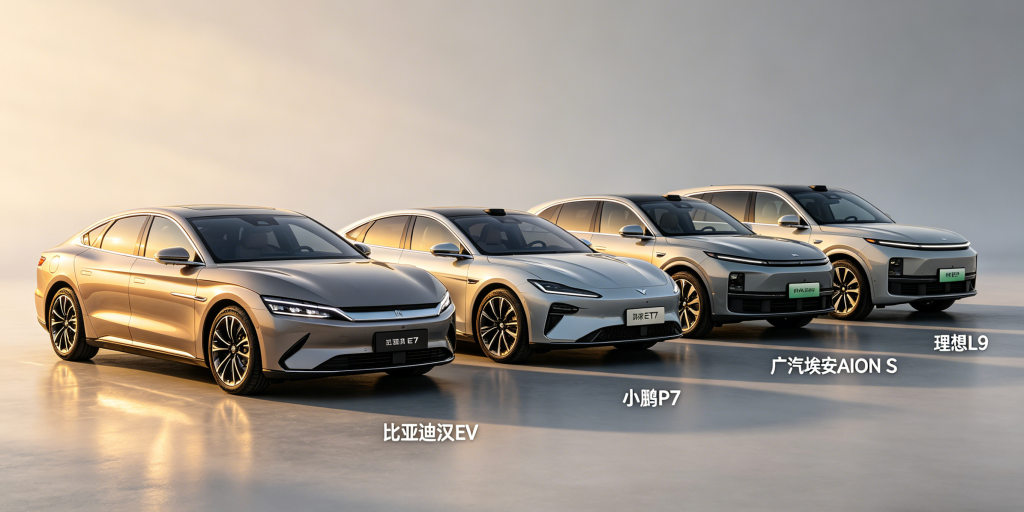
China’s EV adoption has reached a significant scale:
- Total vehicle ownership exceeded 440 million units, with EVs accounting for over 24 million vehicles
- EV penetration rates in new car sales have hovered around 35%–50% in recent years
- Pure electric vehicles dominate, making up more than 70% of the NEV market
This indicates that while EV adoption is accelerating, traditional internal combustion engine vehicles still hold a large share, meaning the transition is ongoing rather than complete.
Key Growth Drivers
1. Government Policies and Infrastructure
China’s EV growth has been strongly supported by:
- National subsidy programs (now gradually phased out)
- Dual-credit policy encouraging automakers to produce EVs
- Massive expansion of charging infrastructure (over 10 million charging points)
These policies have helped reduce entry barriers and accelerate mass adoption.
2. Technology Advancements
Battery and platform innovations are reshaping the industry:
- Development of solid-state and sodium-ion batteries
- Continuous improvements in energy density and cost reduction
- Strong dominance of Chinese battery manufacturers globally
At the same time, competition is shifting from hardware to software and intelligent features, including infotainment systems and driver-assistance technologies.
3. Changing Consumer Demand
Consumer preferences are evolving rapidly:
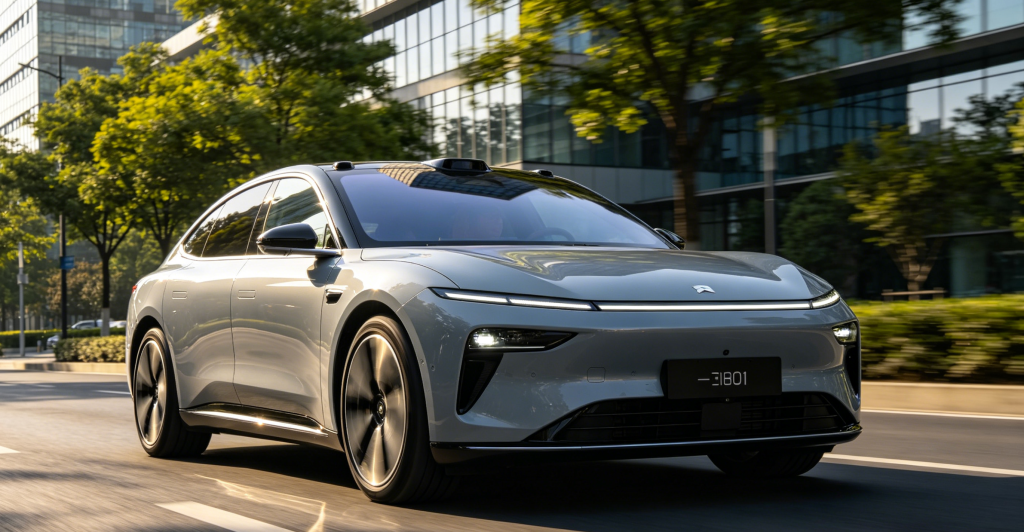
- Younger buyers (especially Gen Z) prioritize design, smart features, and user experience
- Demand is shifting from “basic transportation” to premium experience and personalization
- Hybrid and extended-range EVs are gaining popularity as practical alternatives
This marks a transition from a policy-driven market to a demand-driven market.
User Experience and Quality Trends
Recent studies show that:
- EV quality complaints are still increasing, but growth is slowing
- Issues are shifting from mechanical faults to software and usability problems
- Infotainment systems and smart features are now the main pain points
Meanwhile, overall customer satisfaction is improving, with industry scores surpassing 800 points for the first time, indicating stronger product appeal.
Challenges Facing China’s EV Industry
Despite rapid growth, several challenges remain:
1. Profitability Pressure
Many EV startups are still struggling with profitability due to high R&D and production costs.
2. Global Competition
Chinese EV brands are expanding into Europe and other markets, facing regulatory barriers and strong competition from established automakers.
3. Technology and Safety Concerns
Consumers still have concerns about:
- Battery safety and degradation
- Charging convenience in certain regions
- Long-term reliability
Future Outlook: What’s Next for China EVs?
Looking ahead, China’s EV market is expected to:
- Continue expanding globally through exports
- Focus more on intelligent driving and software ecosystems
- Transition toward high-quality growth rather than rapid expansion
- See stronger consolidation, with leading brands gaining market share
The industry is moving from a phase of “rapid scale growth” to “refined competition”, where user experience and technological differentiation will define winners.
Conclusion
China’s new energy vehicle market is entering a mature stage, driven by innovation, consumer demand, and global ambition. While challenges remain, its leadership in EV production, technology, and infrastructure positions it as a key player shaping the future of global mobility.