
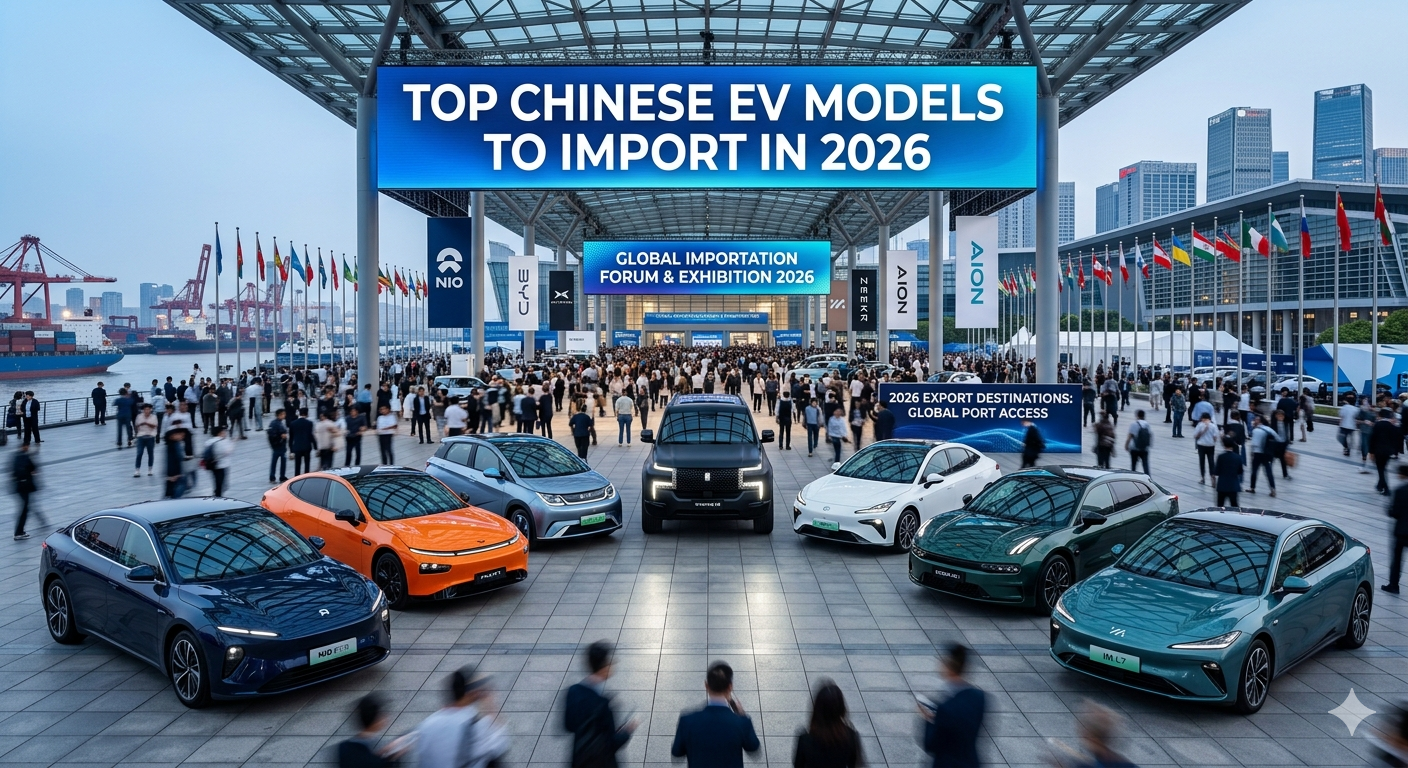
High-Demand Electric Vehicles for Global Dealers and Distributors
As global demand for electric vehicles continues to accelerate, Chinese EV manufacturers are no longer competing on price alone—they are delivering strong performance, mature technology, and increasingly refined design.
For importers, distributors, and fleet buyers, the challenge in 2026 is no longer whether to source from China, but which models offer the best balance between demand, margin, and long-term viability.
Based on current export trends, market demand, and supply chain stability, here are some of the most competitive Chinese EV models to consider importing in 2026.
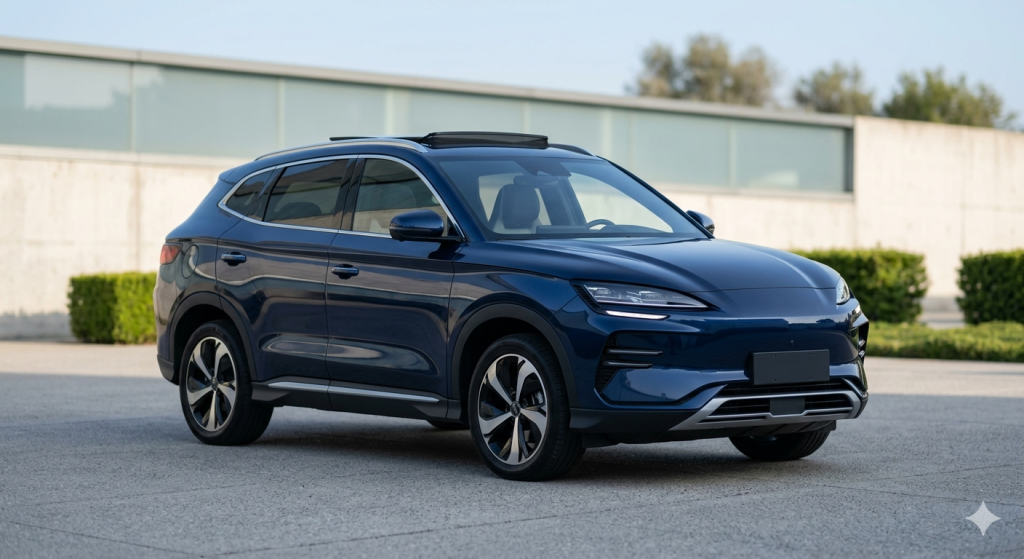
1. BYD Seal U
Best for: Volume sales in Europe, Middle East, and Southeast Asia
The BYD Seal U has quickly become one of the most export-ready electric SUVs in China’s lineup. Positioned in the mid-size segment, it directly competes with globally recognized models while maintaining a clear price advantage.
What makes it particularly attractive for importers is its balance—range, interior quality, and pricing are all aligned with what mainstream buyers expect in 2026.
Why it works:
- Strong demand in multiple regions
- Competitive pricing vs. Western EVs
- Proven battery technology (Blade Battery)
- Suitable for both retail and fleet channels
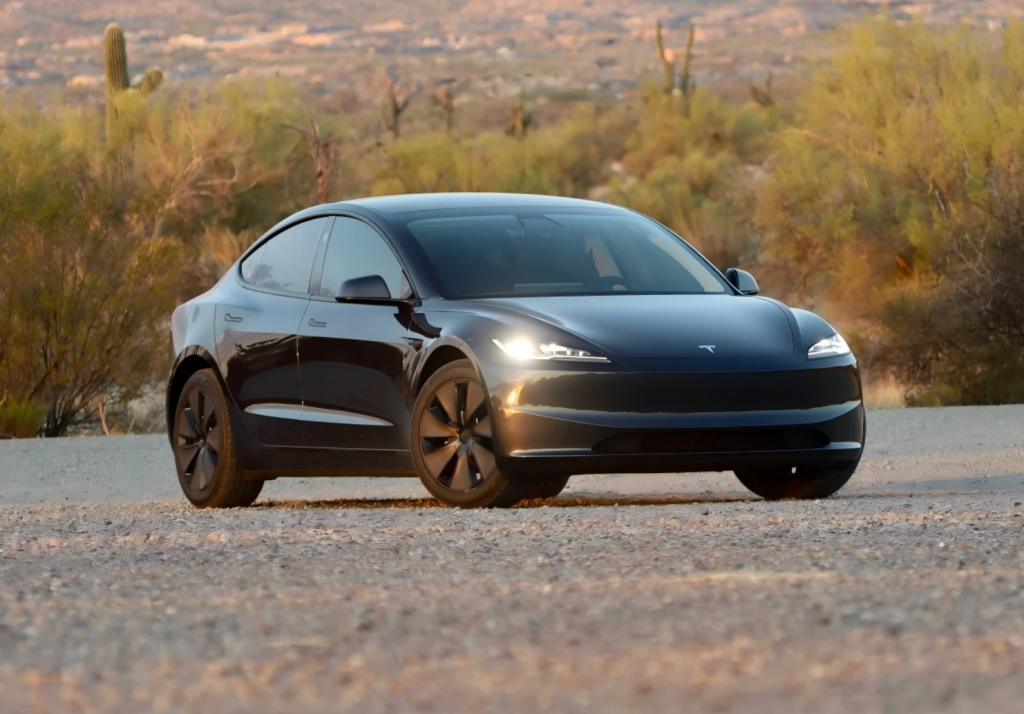
2. Tesla Model 3 (China-Made)
Best for: Brand-driven markets and premium entry segment
While not a Chinese brand, China-produced Tesla vehicles remain a key part of the export ecosystem. The locally manufactured Model 3 continues to perform strongly in global markets due to brand recognition and consistent product quality.
For distributors, it serves as a “trust anchor” product—helping build credibility while introducing customers to EV adoption.
Why it works:
- Strong global brand awareness
- Stable resale value
- High acceptance in developed markets
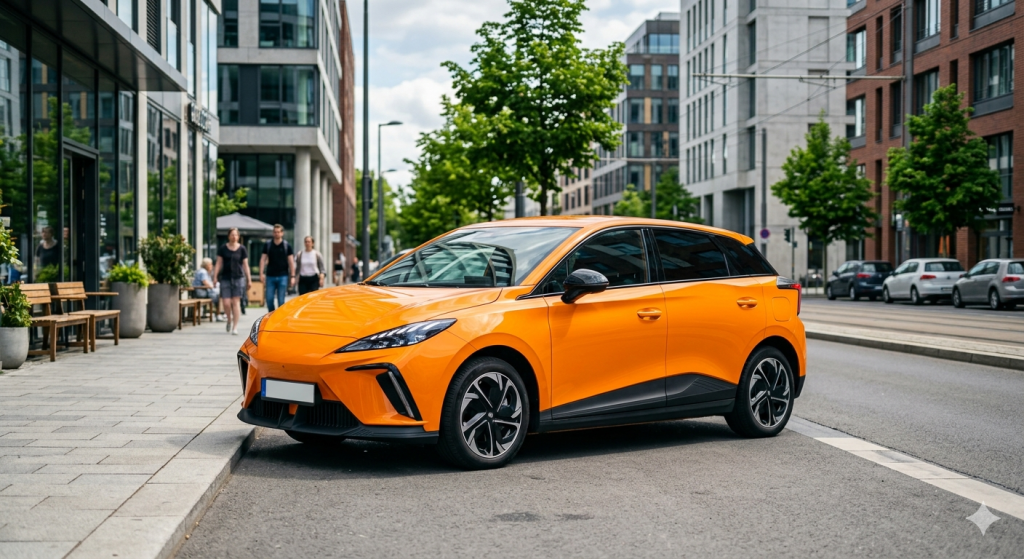
3. MG4 Electric
Best for: Entry-level EV markets and high turnover sales
The MG4 Electric has become one of the most successful compact EV exports in recent years. It is particularly effective in price-sensitive markets where affordability drives volume.
Backed by SAIC Motor, MG has built a strong distribution presence globally, making the MG4 easier to position and sell.
Why it works:
- Attractive pricing for first-time EV buyers
- Practical design for urban use
- Strong existing dealer network in many regions
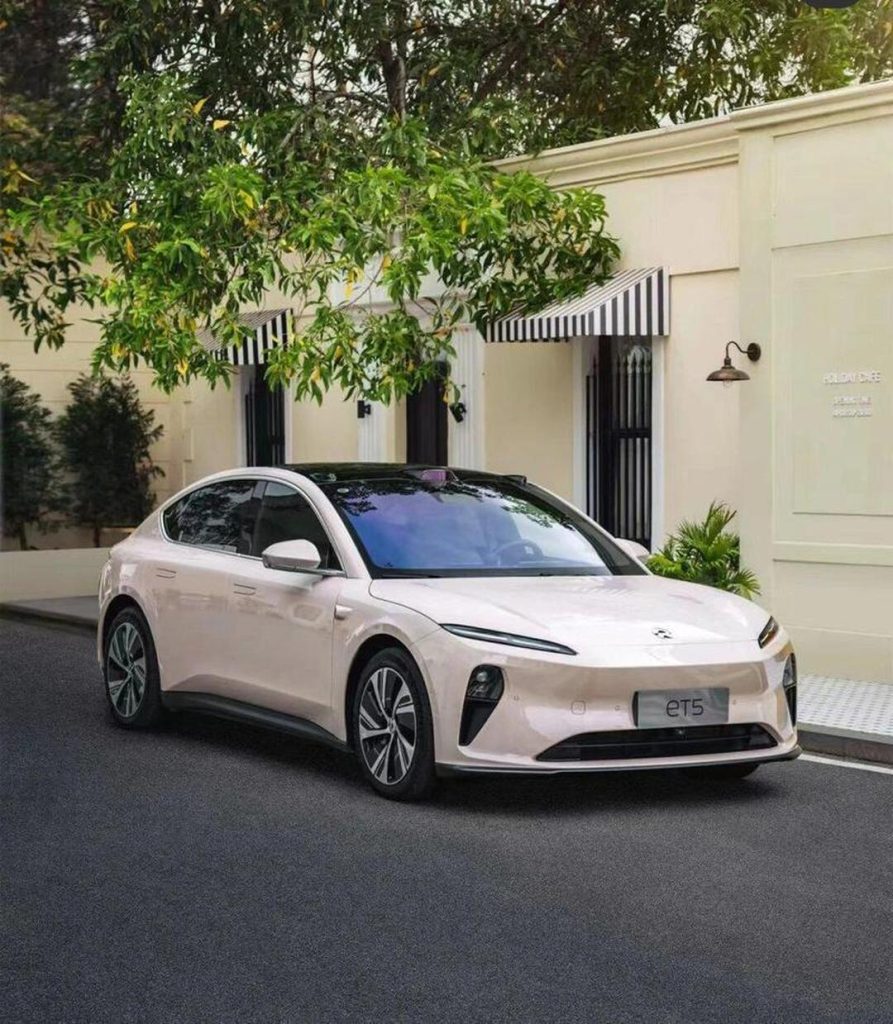
4. NIO ET5 / ET7
Best for: Premium segment and differentiated service model
NIO’s vehicles target a different audience—buyers looking for a premium experience rather than just transportation.
What sets NIO apart is not just the vehicle itself, but its ecosystem. The Battery-as-a-Service (BaaS) model and battery swapping capabilities provide a unique value proposition, especially in markets where infrastructure is being actively developed.
Why it works:
- Premium positioning with strong tech appeal
- Unique battery swap model
- Growing presence in Europe
5. Zeekr 001
Best for: High-performance EV buyers and niche premium markets
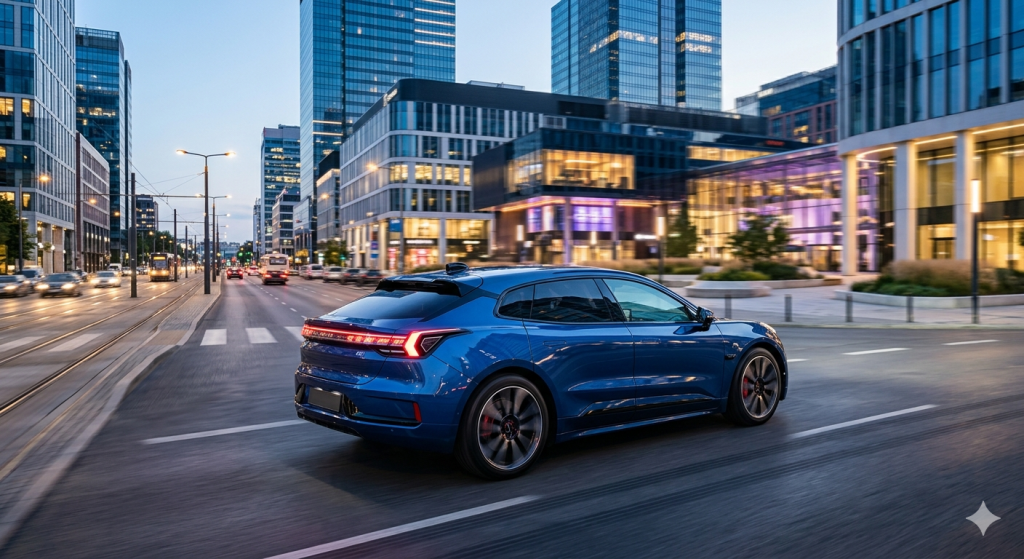
The Zeekr 001 stands out as a performance-oriented electric shooting brake, offering a combination of design, speed, and advanced technology.
It appeals to buyers who want something different from traditional SUVs or sedans, making it a strong niche product with high margins.
Why it works:
- Distinctive design (less competition)
- High performance specifications
- Strong appeal among younger buyers
How to Choose the Right Model for Your Market
Not every model fits every market. When selecting EVs to import, consider three key factors:
1. Infrastructure readiness
Markets with limited charging networks may benefit more from hybrids or extended-range EVs.
2. Customer price sensitivity
Entry-level EVs like MG4 perform well in emerging markets, while premium models require stronger purchasing power.
3. Brand recognition vs. differentiation
Well-known brands (Tesla, MG) reduce marketing costs, while newer brands (NIO, Zeekr) offer higher margins but require positioning.
Final Thoughts
The Chinese EV export landscape in 2026 is no longer defined by a few standout models—it is a fully developed ecosystem covering every segment.
For importers, the opportunity lies in selecting the right mix:
high-volume models for cash flow, and differentiated products for margin.
As supply chains stabilize and global demand continues to rise, those who move early and strategically will have a clear advantage.