
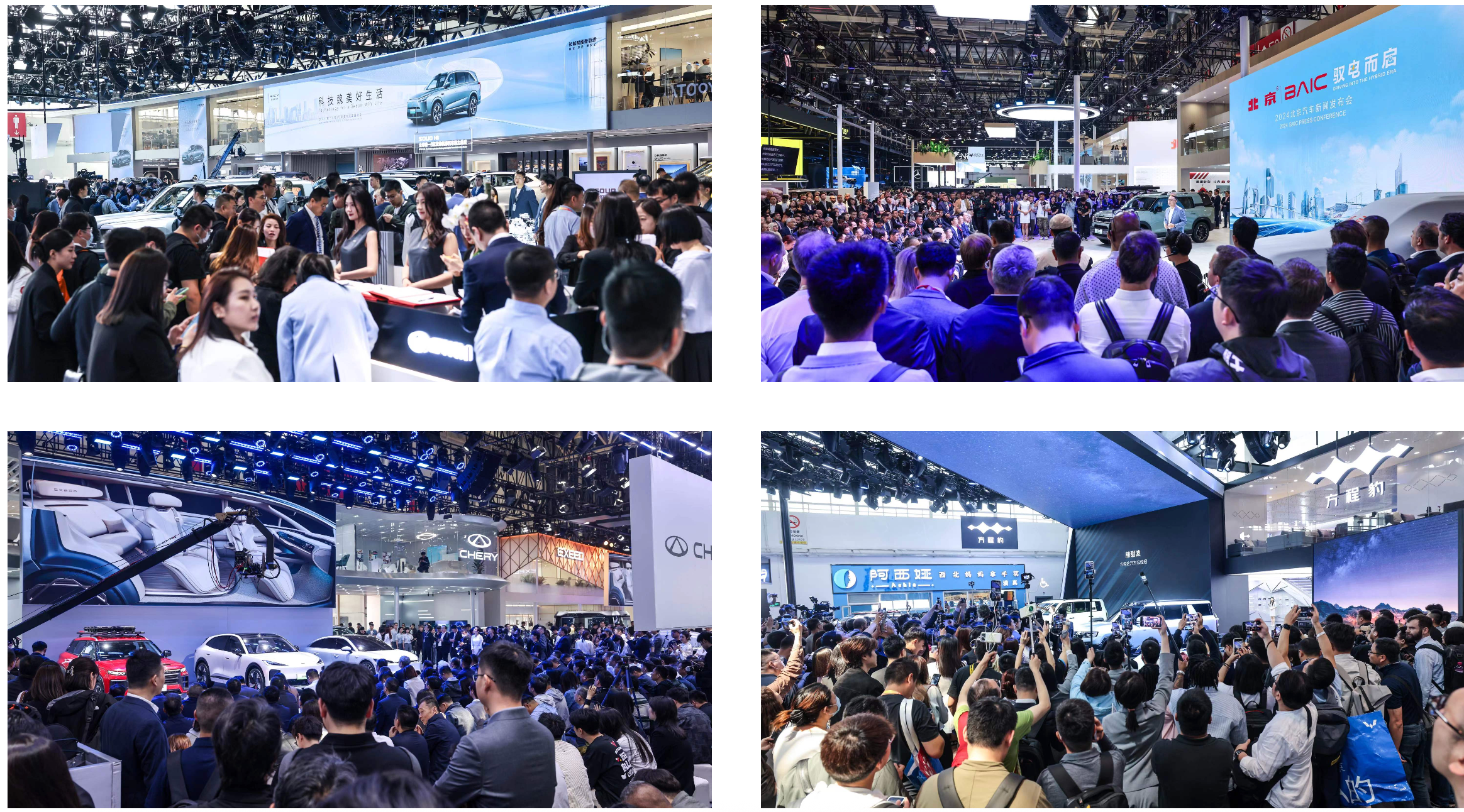
Walking the halls of the China International Exhibition Center this April 2026, the sheer scale of Auto China is, as always, overwhelming. 181 global debuts is a staggering number. But after the initial sensory overload, a much more interesting—and mature—story emerges.
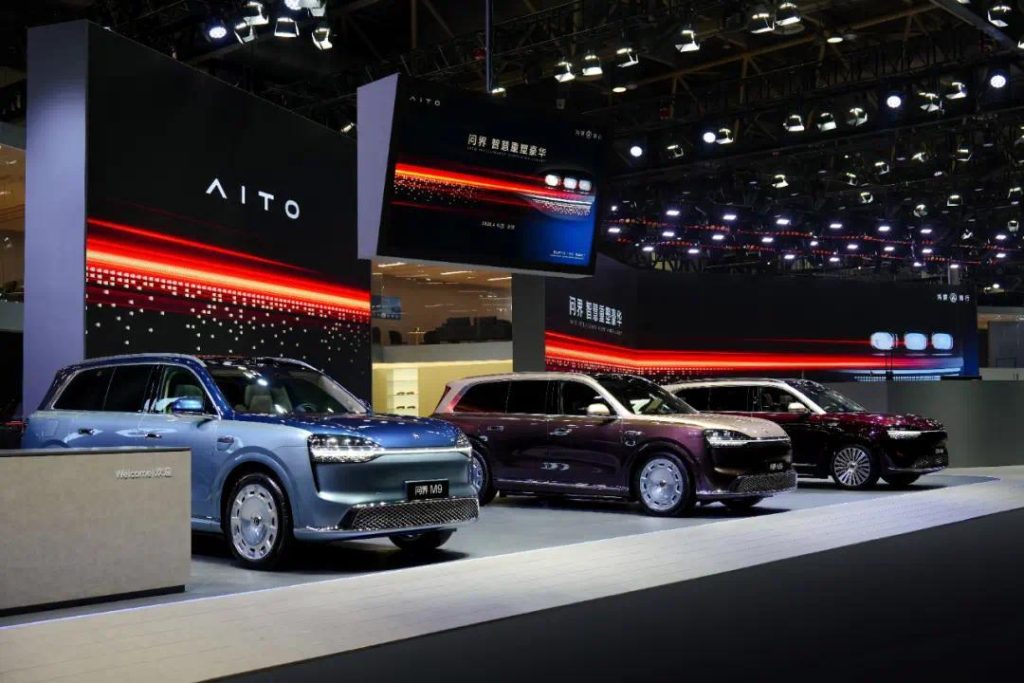
Two years ago, this show was a street fight; everyone was “rolling” (内卷) on price and crazy specs. In 2026, that wild energy has been channeled into something different: strategic, regulated maturity.
If you’re watching this market from Europe, Southeast Asia, or the Americas, the conversation just changed.
No Longer a Tech Demo: Intelligence Gets Real
Remember when City NOA was a flashy, experimental feature? Forget it. Standing here in 2026, L3 autonomous driving isn’t a luxury; it’s the baseline. If a mid-to-high-end model doesn’t have it, it’s practically invisible.
What’s truly striking isn’t the hardware, but how natural it all feels. Thanks to the now-seamless integration of LLM AI models, you don’t talk to these cars in rigid commands. You converse with them. I watched a demo where a driver asked to “find a scenic route to the hotel, detour to a supercharger, and recommend a quiet place for a 2 PM conference call near the charger,” and the system nailed the entire multi-layered plan.
This isn’t just about making drivers lazy; it’s about user-centric cognitive cooperation. And Chinese firms like Nio and Xpeng are now running this software on their own proprietary chips, finally closing the loop on a self-reliant hardware-software tech stack.
The Return of the ICE (Well, Sort Of) and the Chassis Revolution
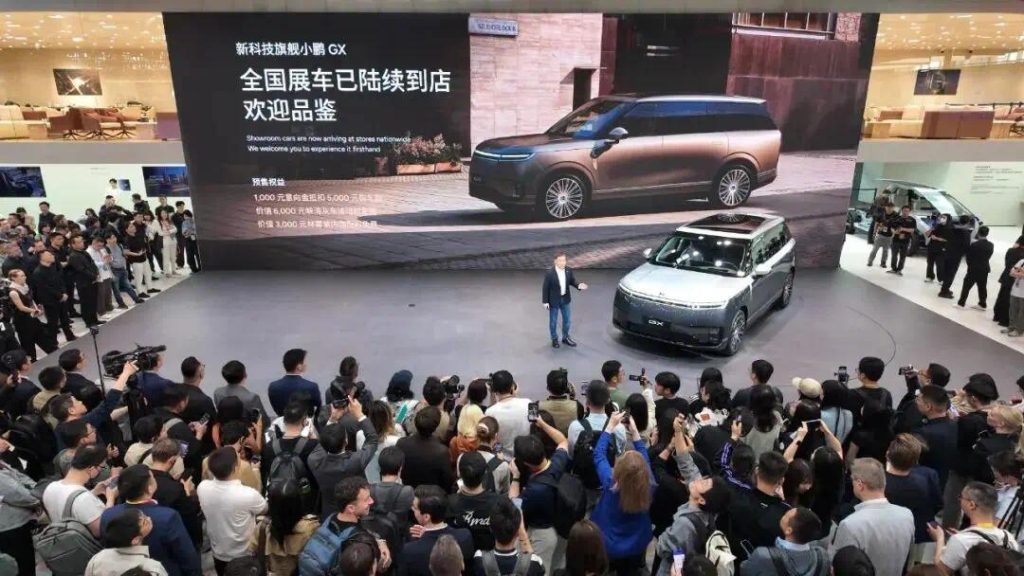
While my focus is always pure electric exports, you cannot ignore the absolute technological warfare happening in the hybrid space. Geely just raised the stakes to a level that feels almost impossible: a dedicated hybrid engine achieving 2.98L/100km fuel consumption when the battery is dead.
This is a massive signal for global markets where charging infrastructure is lagging. This kind of super-efficiency moves hybrid vehicles from a “transitional” tech to a definitive long-term solution for millions of users.
Simultaneously, 2026 is officially the Year of the Active Chassis. Forget passive suspension. The marriage of advanced hardware (VMM systems) with software control means these vehicles now offer a level of stability, comfort, and six-degree-of-freedom safety that legacy premium brands are scrambling to match. It’s not just about speed anymore; it’s about the quality of the ride.
Globalization’s Regulated Pivot
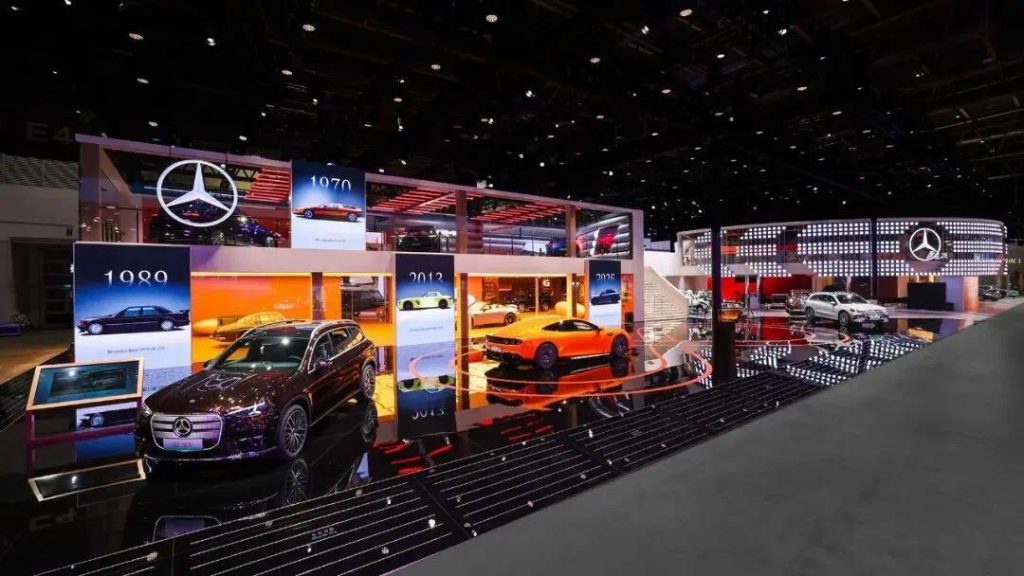
Perhaps the most significant shift at Auto China 2026 isn’t the technology, but the governance of export.
For years, we discussed the wild growth of “parallel exports”—unofficial, un-serviced vehicles entering global markets. Since January 1st of this year, the Ministry of Commerce’s new export license system has fundamentally restructured the game.
The result is visible on the show floor. Every export-spec vehicle I saw came with a defined official warranty and a concrete plan for regional service network integration. The “wild expansion” era is dead, replaced by a strategy of organized, long-term brand building. This is exactly the reassurance the global distribution partners have been demanding.
We are also seeing this maturity manifest in partnerships. Volkswagen’s presence, showcasing their ID. UNYX and ID. AURA built on Chinese smart-driving solutions from Huawei and Momenta, is the ultimate “technology-for-market” validation. Sino-foreign cooperation has officially inverted.
The Verdict
Auto China 2026 isn’t just another show displaying flashy screens. It is the moment the Chinese EV industry finalized its tech stack (self-developed chips and software) and standardized its global operational model.
The message to the world is clear: The innovation hasn’t slowed down—it has just become much, much more calculated.
[Interaction Hook]
If you’re an overseas dealer or consumer, what is the single biggest barrier left preventing you from committing to a Chinese EV: is it price, perceived long-term quality, or brand service commitment? The 2026 answer might surprise you. Join the discussion below.
For localized Auto China 2026 data analysis and strategic advice on meeting China’s new export compliance standards, connect with our team. [chinaevexports.com/]