
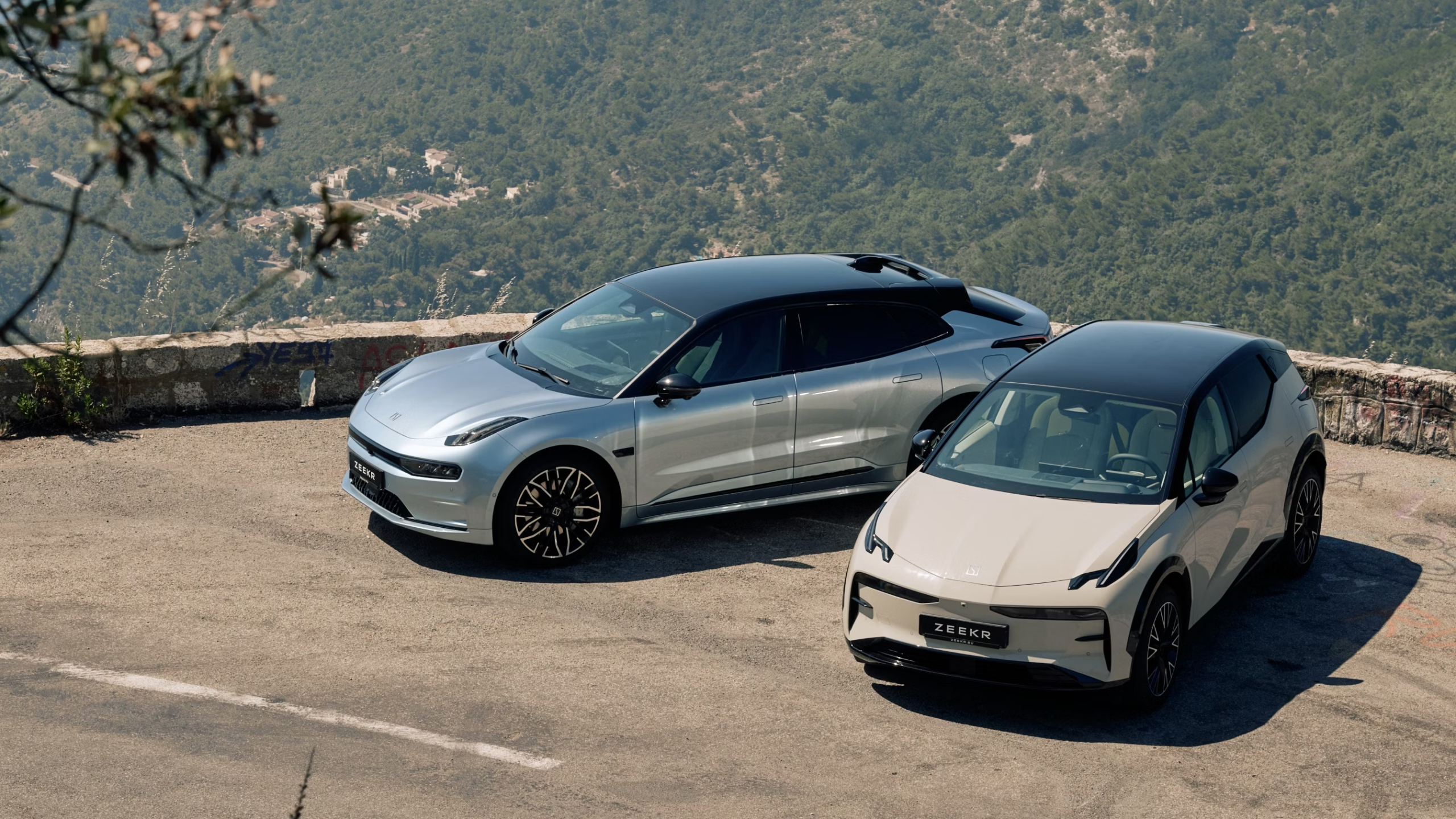
The global expansion of Chinese electric vehicles in 2026 is no longer a one-size-fits-all story. Instead, it is increasingly shaped by brand positioning divergence, especially when comparing two major players: BYD and Zeekr.
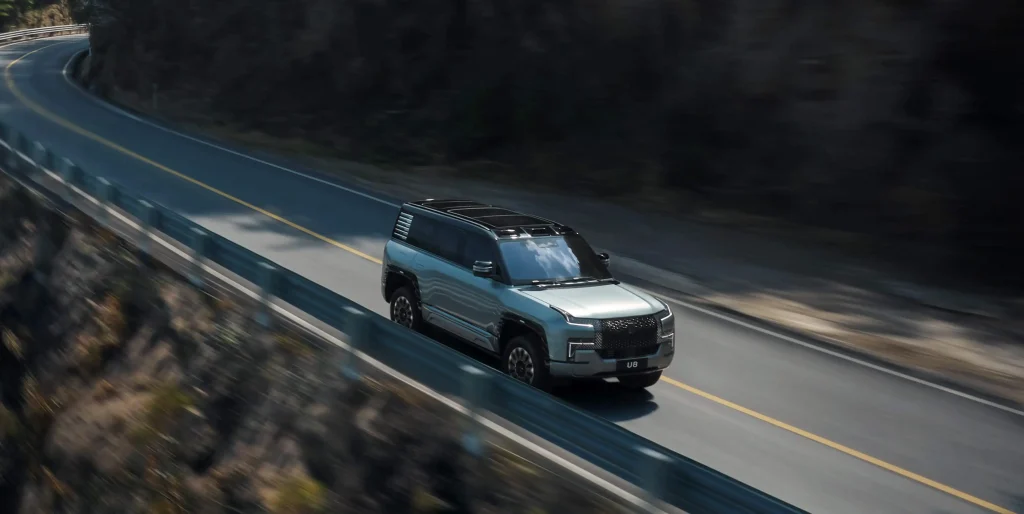
BYD continues to dominate through scale-driven expansion. Its vertically integrated supply chain, especially the widely recognized Blade Battery system, allows it to maintain strong pricing power while aggressively expanding across Southeast Asia, Latin America, and parts of Eastern Europe. The brand is effectively positioned as a high-reliability mass-market EV provider.
In contrast, Zeekr is pursuing a completely different strategy. Rather than competing on volume, it focuses on premium user experience, advanced driver assistance systems (ADAS), and design-led product differentiation. This positions Zeekr as a technology-forward premium EV brand targeting higher-margin overseas segments.
What makes this comparison important is not just product difference, but strategic philosophy:
- BYD wins through scale, cost control, and infrastructure leverage
- Zeekr wins through branding, technology perception, and premium positioning
For overseas distributors and dealers in 2026, the real question is no longer “which EV is better,” but rather which business model fits their target market structure.
Understanding this divergence is essential for portfolio planning, especially in emerging markets where both affordability and aspiration coexist.